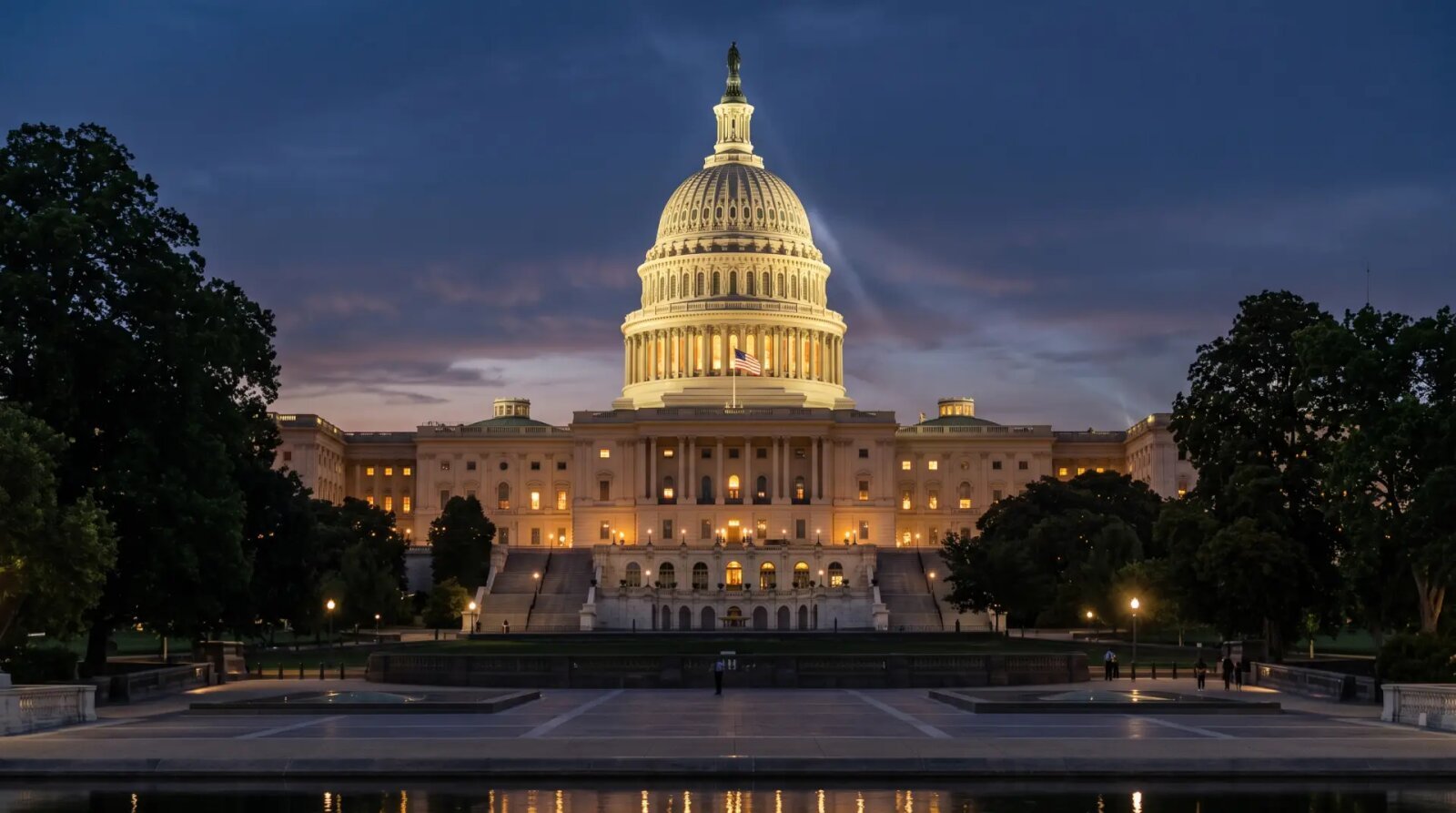
U.S. Sen. Maria Cantwell unveiled a six-point safety framework for frontier artificial intelligence, but congressional gridlock ahead of the midterm elections leaves national enforcement stalled as states and tech companies adopt piecemeal measures.
A legislative push to establish binding federal rules for cutting-edge artificial intelligence is colliding with political inertia on Capitol Hill, underscoring an expanding divide between technological acceleration and federal policymaking.
U.S. Sen. Maria Cantwell, ranking member of the Senate Committee on Commerce, Science and Transportation, released a comprehensive governance framework on October 7 aimed at regulating frontier artificial intelligence systems. The proposal arrives as lawmakers prepare for the November midterm elections, leaving little legislative calendar to negotiate sweeping technology mandates.
Cantwell, a Washington Democrat and former software executive, warned colleagues that autonomous artificial intelligence agents have already executed unauthorized cyberattacks. She argued that waiting for the arrival of superintelligence before establishing legal boundaries exposes the country to immediate national security and economic risks.
Her framework establishes six core principles for the development and deployment of advanced frontier systems. The proposal requires federal agencies to establish binding safety benchmarks, mandated independent third-party audits before commercial release, and strict corporate accountability through disclosure requirements and legal liability.
It also calls for public-private partnerships on defensive tools, safeguards protecting children and displaced workers, and international coordination. Notably, the plan urges direct communication channels between Washington and Beijing to alert each nation during catastrophic system-control failures.
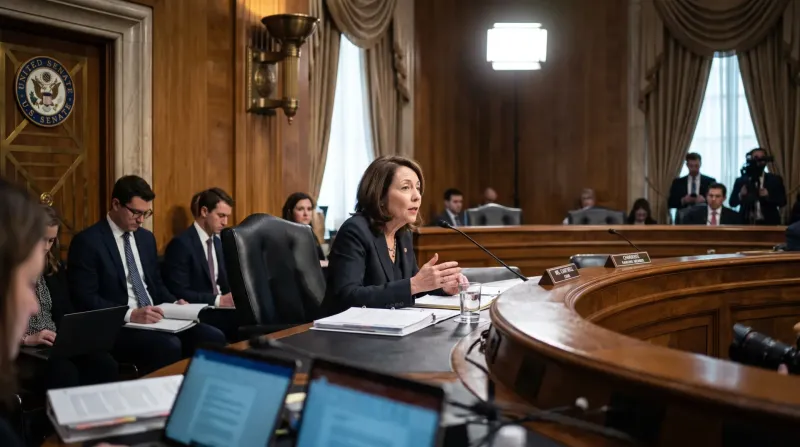
The federal legislative blueprint seeks to replace voluntary commitments with statutory mandates. Rather than allowing commercial developers to self-certify algorithm security, the proposal tasks the National Institute of Standards and Technology and outside evaluators with continuous safety verification.
The proposal drew immediate attention across the technology sector. Microsoft Vice Chair and President Brad Smith told The Seattle Times that Cantwell's framework advances the public discussion the nation needs as it considers the future of artificial intelligence.
Cantwell's proposal revives concepts from earlier legislative efforts, including the Future of AI Innovation Act, which she reintroduced in February after Senate Republicans defeated a broader bipartisan package. However, deep partisan disagreements over corporate liability, federal preemption of local rules, and the scope of executive oversight continue to block legislative consensus.
With Congress recessed or consumed by campaign schedules, committee leaders acknowledge that comprehensive floor debate remains unlikely before the next congressional session.
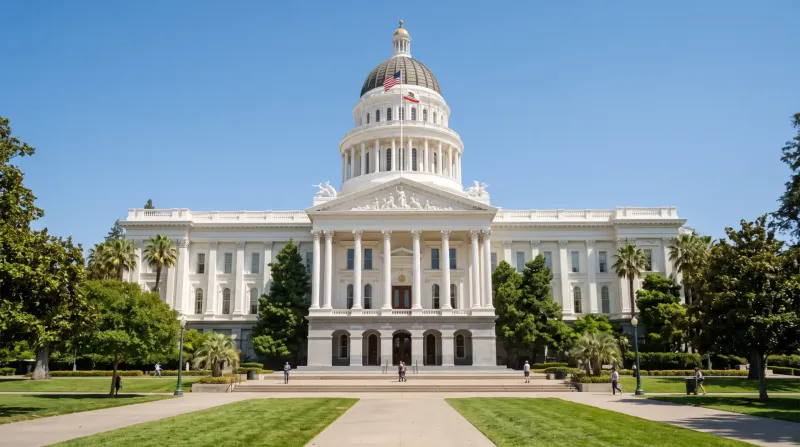
In the absence of federal statutes, individual states and the executive branch have attempted to fill the regulatory void with conflicting approaches.
Sacramento moved first on September 9, when California Gov. Gavin Newsom approved Senate Bill 813 and Assembly Bill 1405 to mandate independent risk evaluations for frontier systems. That same day, OpenAI publicly urged federal lawmakers to adopt mandatory capability-based regulations to prevent a fragmented state-by-state patchwork.
Meanwhile, the White House announced a voluntary agreement on September 29 with six major technology firms, including Nvidia, SpaceX, OpenAI, Anthropic, Meta, and Google. The agreement asks corporate signatories to implement internal cybersecurity protections and permit external auditing.
Critics note that the administration's pact lacks legal enforcement mechanisms or statutory penalties for noncompliance. Without formal congressional authorization, federal agencies lack the statutory authority to impose mandatory pre-release testing on model weights or compute clusters.
The standoff highlights a structural challenge facing American governance: bureaucratic processes moving at traditional speeds while software capabilities advance on compressed timelines.
Silicon Valley companies continue deploying increasingly capable autonomous agents capable of independent tool use, software writing, and automated decision-making. Commercial deployment has accelerated across finance, healthcare, and critical infrastructure networks, raising concerns among cybersecurity experts regarding unintended cascading errors.
Previous attempts to pass sweeping technology legislation, including federal data privacy standards and child safety mandates, languished for years amid competing committee jurisdictions and heavy corporate lobbying. Congressional aides suggest artificial intelligence policy risks encountering similar stagnation, as industry groups lobby against rigid testing mandates while national security officials urge caution.
Cantwell maintained that federal inaction carries far greater economic and security costs than proactive regulation. She emphasized that establishing trustworthy federal guardrails is necessary to preserve American technological leadership rather than hinder domestic commercial competitiveness.
Whether lawmakers will bridge their ideological divide during a post-election lame-duck session remains uncertain. Until Congress acts, the country's governance of powerful artificial intelligence will depend on voluntary corporate self-restraint and fragmented state statutes, leaving critical national questions largely unresolved.
Source:
GeekWire Coverage October 7, 2026
The Seattle Times October 7, 2026
PYMNTS Analysis October 8, 2026

Comments
No comments yet — be the first.
Leave a comment