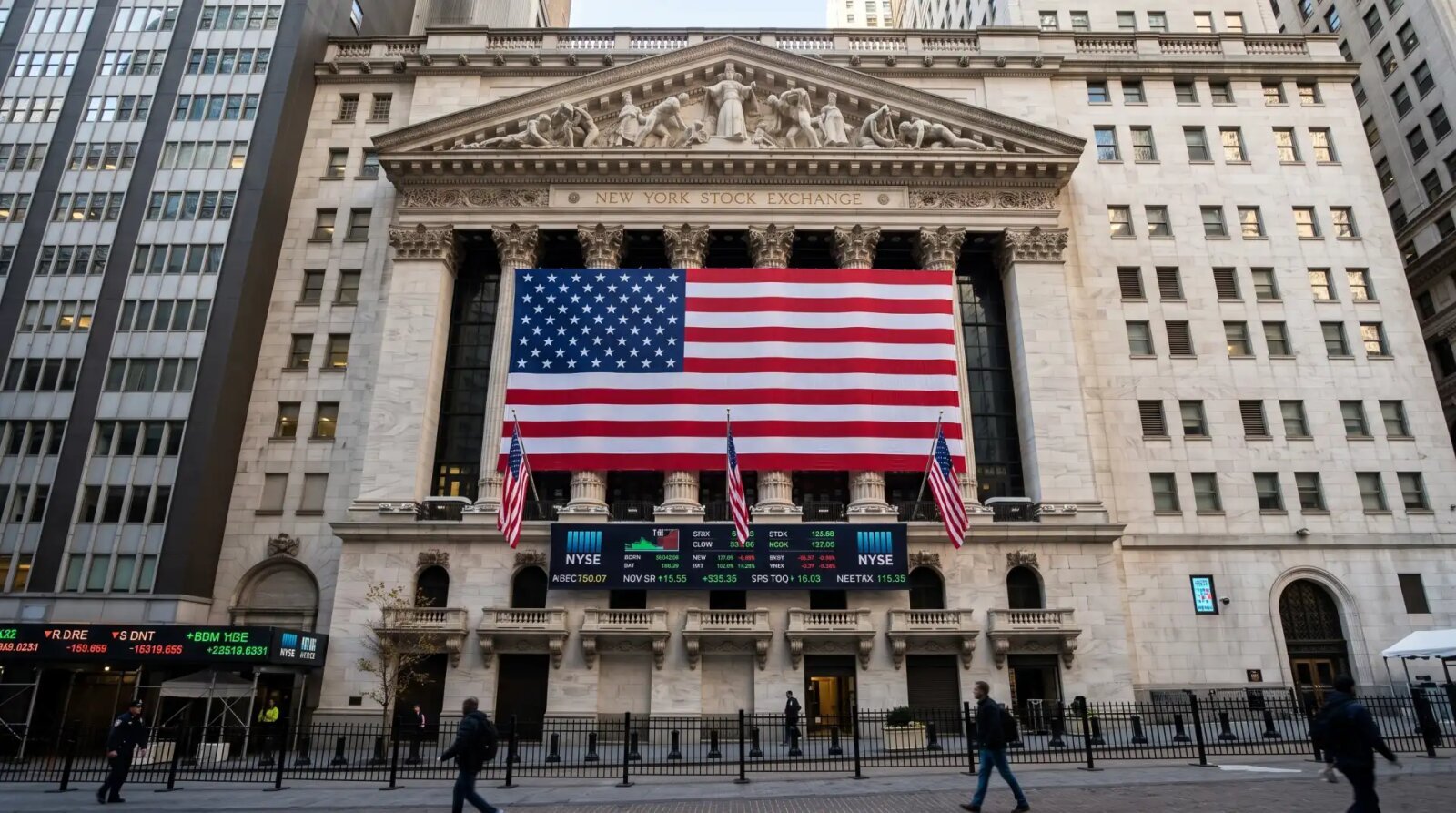
While equities operate under standard schedules, the closure of Treasury trading and commercial banks thins institutional liquidity ahead of critical third-quarter inflation reports and corporate earnings.
NEW YORK - Investors evaluating whether the stock market is open on Columbus Day will find regular trading on Wall Street, with the New York Stock Exchange and Nasdaq conducting full sessions Monday despite the federal holiday. Equity desks opened at 9:30 a.m. Eastern Time and will run until their customary 4:00 p.m. close, even as government offices, commercial banks, and fixed-income markets pause nationwide.
The split schedule stems from differing governance between public sector institutions and private equity venues. While the federal government observes the second Monday of October as Columbus Day alongside state recognitions of Indigenous Peoples' Day, major American stock exchanges operate as independent corporate entities that adhere to their own standardized calendar. Neither the NYSE nor Nasdaq observes the holiday, meaning electronic trading, opening bells, and afternoon closing auctions proceed without interruption.
Retail investors retain complete access to online brokerages, automated order routing, and standard extended-hours sessions. Pre-market transactions commenced at their usual 4:00 a.m. start, and after-hours trading will continue until 8:00 p.m. Eastern Time. The stock market calendar recognizes only nine official full-day closures throughout the year. Following Monday, the next equity market holiday will be Thanksgiving Day on Thursday, November 26, accompanied by an early 1:00 p.m. finish on Black Friday, and Christmas Day on Friday, December 25. Regular trading occurs on Columbus Day and Veterans Day in November, though exchange clearinghouses note that holiday banking closures suspend trade settlements until Tuesday.
The environment differs dramatically in the fixed-income arena, where the Securities Industry and Financial Markets Association recommended a complete suspension of trading in U.S. government debt, corporate bonds, and municipal paper. Because fixed-income dealers align their operations with the Federal Reserve system, the shutdown reflects the central bank closure of payment rails and securities transfer facilities. Commercial banks, depository institutions, and the United States Postal Service also observe full holiday closures. SIFMA schedules ten full bond holidays annually, with Veterans Day on November 11 marking the next closure.
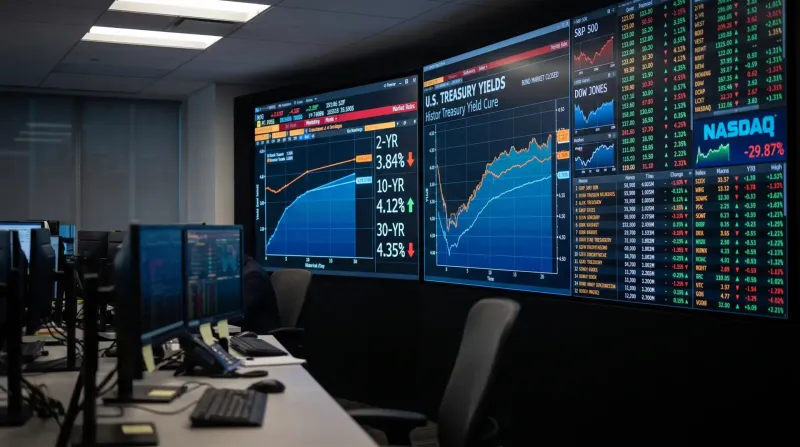
The absence of Treasury market activity removes a crucial analytical compass for equity investors. In recent weeks, sharp fluctuations in benchmark Treasury yields have served as the primary driver of broader market sentiment, heavily influencing equity valuations and market-wide appetite for risk. Long-term yields have kept equity advances in check, reflecting lingering investor anxieties surrounding inflation durability and the trajectory of Federal Reserve interest rate policy. Without live government debt pricing to calibrate market expectations, stock pickers must navigate the opening session of the trading week without their customary macroeconomic baseline.

Beyond missing bond indicators, the holiday structure introduces distinct liquidity challenges across trading desks. With commercial banking facilities shut, government offices closed, and institutional debt desks offline, overall market participation declines considerably. Professional asset managers and institutional funds frequently treat the day as a partial holiday, leading to reduced transaction volumes across equities, foreign exchange, and commodity contracts.
Lighter market liquidity can distort price discovery on trading screens. In a thin tape, relatively modest block trades can trigger exaggerated intraday swings, leaving equity benchmarks vulnerable to erratic and choppy fluctuations across currencies, commodities, and gold. The backdrop proves particularly delicate as global markets absorb elevated energy prices driven by Middle Eastern geopolitical tensions, including recent military escalations impacting regional supply routes.
Trading desks also face a crowded macroeconomic calendar later in the week that encourages short-term caution. The Labor Department will publish the critical September Consumer Price Index report on Wednesday, October 14, providing fresh evidence regarding domestic inflation pressures. Third-quarter corporate earnings season gathers momentum this week, with major financial institutions such as Goldman Sachs scheduled to report quarterly results. Analysts advise market participants to treat early-week equity movements with measured discretion, as Tuesday resumption of full Treasury trading will offer a clearer verdict on broader institutional momentum.
Source:
Cincinnati Enquirer / USA Today Network
Comments
No comments yet — be the first.
Leave a comment