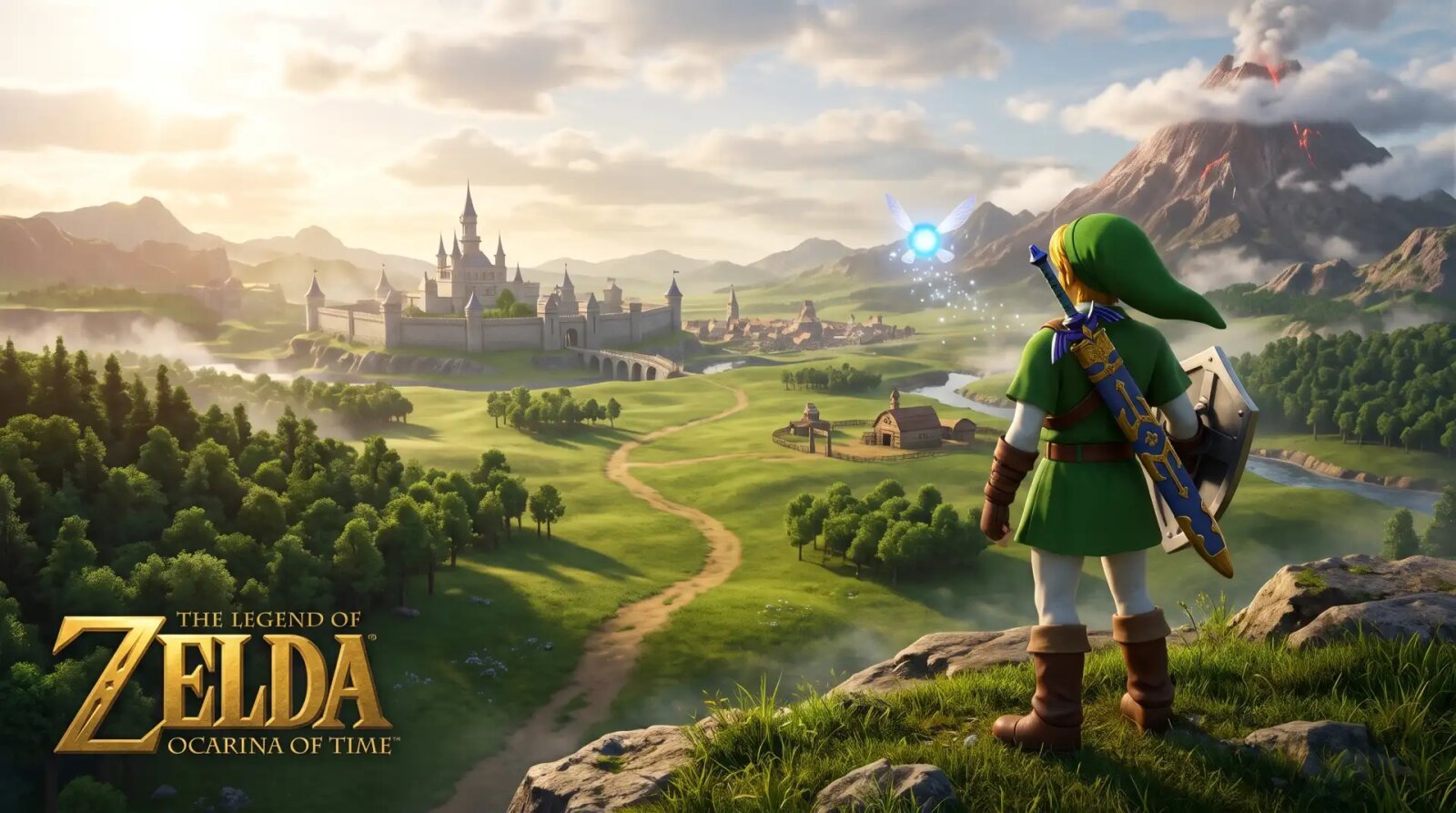
Universal critical acclaim positions Nintendo’s rebuilt classic as the highest-scoring release since 2023 ahead of its November 5 launch, matching iconic industry benchmarks while revitalizing the franchise for a new generation.
The Nintendo Switch 2 remake of The Legend of Zelda: Ocarina of Time registered an aggregate review score of 96 on Metacritic following the lifting of its global media embargo on November 4, 2026. The critical reception establishes the rebuilt adventure as the highest-rated video game of 2026, outperforming rival releases across platforms ahead of its worldwide launch on November 5.
Early critical reaction has proven remarkably consistent across international publications. Across its initial 42 tracked reviews on Metacritic, all 42 outlets registered positive evaluations, with 25 assigning perfect marks on their respective scoring scales. The title achieved a corresponding average score of 96 on OpenCritic, placing it fourth on that platform's all-time ranking and three points ahead of any competing 2026 release, including Phantom Blade Zero, Resident Evil Requiem, and Pokemon Pokopia.
A Metascore of 96 positions the modernized classic in rare critical company. The figure marks the highest composite score awarded to any title since Baldur's Gate 3 earned an identical 96 in 2023. By reaching that mark, the production ties several of the most acclaimed releases in industry history, matching Half-Life 2, GoldenEye 007, BioShock, Mass Effect 2, The Elder Scrolls V: Skyrim, Elden Ring, and two celebrated series predecessors, The Wind Waker and Tears of the Kingdom.
The evaluation sits one point behind the 97 attained by The Legend of Zelda: Breath of the Wild during its 2017 debut. It also surpasses the franchise's prior portable reimagining, Ocarina of Time 3D, which garnered a 94 average on the Nintendo 3DS in 2011. The 1998 Nintendo 64 original continues to hold the peak position in Metacritic history with an enduring 99 score, standing alongside 98-rated landmarks such as SoulCalibur, Super Mario Galaxy 2, and Grand Theft Auto IV. While critics noted that scoring remakes presents unique challenges when balancing foundational source material against contemporary enhancements, consensus affirmed the execution.
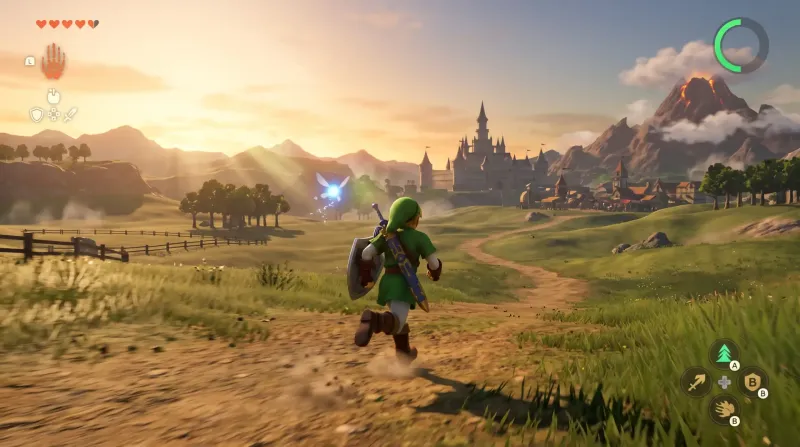
Reviewers credited the high composite marks to how developers refreshed the foundational 1998 design without dismantling its structural appeal. Rather than overhauling the narrative path through Hyrule, the team introduced targeted ergonomic updates. Link now possesses a dedicated jump button and an active sprint mechanic that eliminates the historic necessity of repeatedly executing forward rolls across Hyrule Field to sustain maximum movement speed.
The release incorporates three distinct interface configurations: a standard display with conventional prompts, a streamlined pro layout that minimizes visual clutter, and an austere master setting that clears all onscreen gauges while removing the trademark Z-targeting reticle. Dialogue across the quest underwent significant stylistic modernization, replacing archaic grammatical conventions, including the Great Deku Tree's traditional phrasing, with natural conversational English. Quality-of-life adjustments to dungeon navigation, particularly within the notoriously demanding Water Temple, drew widespread praise.
Japanese publication Famitsu awarded the project a composite 37 out of 40 in early testing. In a five-star review for GamesRadar+, staff writer Anna Koselke described the release as "a remake for the ages." Koselke noted that the experience remains "as timeless as it ever was, managing to recreate one of the most beautiful games to date without compromising the magic of its 1998 predecessor – only adding to it."

The critical triumph provides a valuable commercial anchor for Nintendo as the publisher expands the software catalog for its newest hardware. While initial Switch 2 shipments set launch sales records, hardware momentum had moderated amid consumer discussion regarding a shortage of definitive system-defining software across the platform's early retail lifecycle. Industry analysts emphasized that delivering a universally praised first-party flagship restores momentum ahead of the pivotal commercial cycle.
Securing a near-unanimous critical hit helps stabilize that software cadence. For a significant portion of active gamers born after the late nineties, the remake represents their first opportunity to experience the foundational three-dimensional quest. Delivering that adventure with updated visual assets, smoother camera controls, and improved performance gives the console a prominent showcase ahead of the competitive winter retail season.
With the November 5 release finalized, industry attention now shifts toward commercial adoption and whether upcoming blockbusters, most notably Grand Theft Auto VI, can match the critical standard established by Link's return.
Source:
'The Legend Of Zelda: Ocarina Of Time' Remake Metacritic Review Score Is Historic November 4, 2026
GamesRadar+ (Scott McCrae, Anna Koselke) November 4, 2026
VGChartz / OpenCritic November 4, 2026
Notebookcheck / Famitsu November 4, 2026

Comments
No comments yet — be the first.
Leave a comment