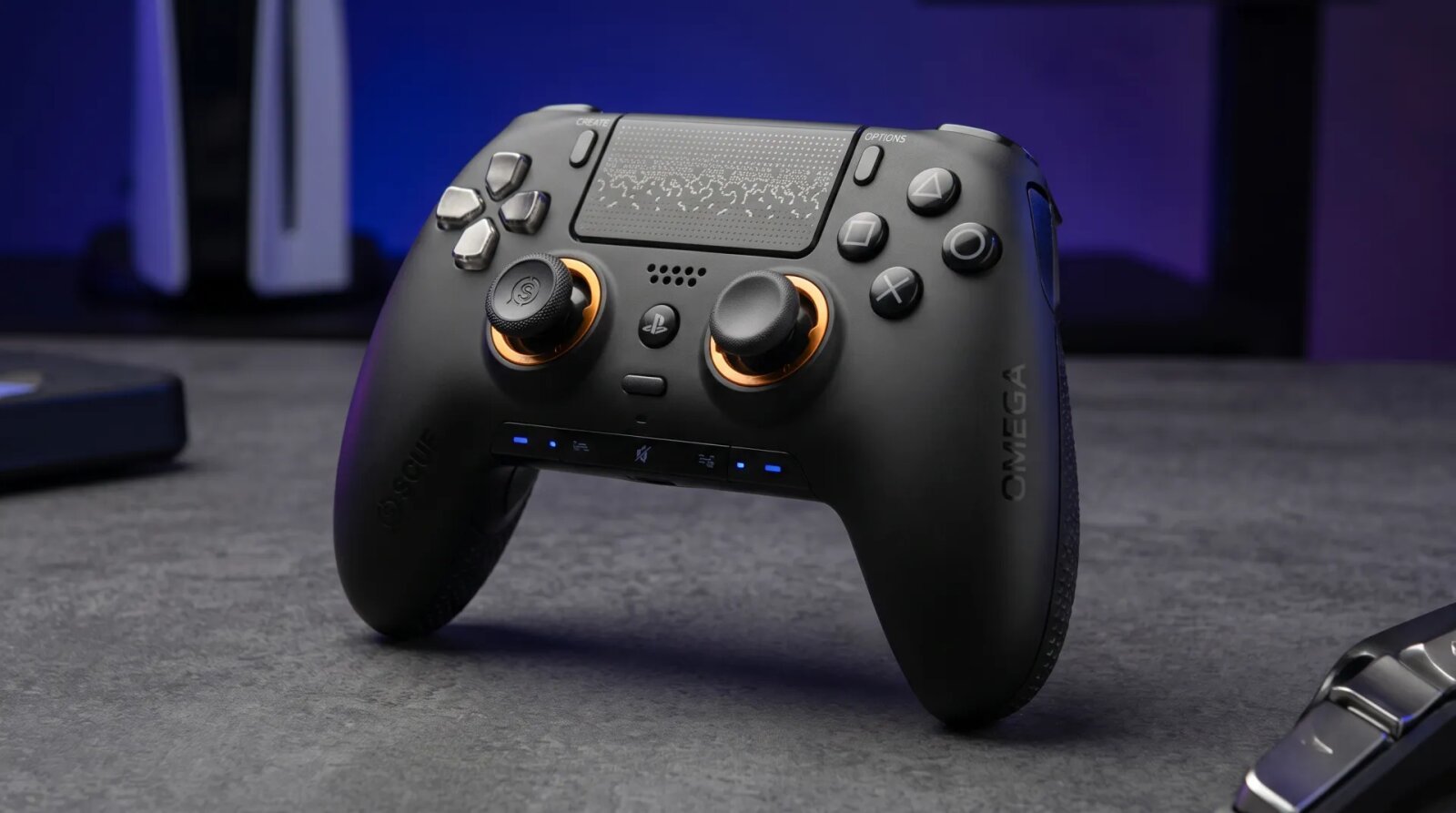
Priced at $220, the officially licensed tournament pad features drift-resistant TMR thumbsticks and extensive button remapping, but accidental side presses and missing haptic rumble limit its overall appeal.
Competitive gaming accessory manufacturer SCUF has expanded its hardware lineup with the SCUF Omega, an officially licensed pro controller designed for PlayStation 5 and PC users. Built specifically for competitive esports players seeking faster input response times, the controller introduces drift resistant tunneling magnetoresistance thumbsticks alongside tactile microswitch face buttons and modular cosmetic options. Yet while the device delivers rapid actuation in competitive shooters, physical handling issues and a premium price tag temper its overall appeal.
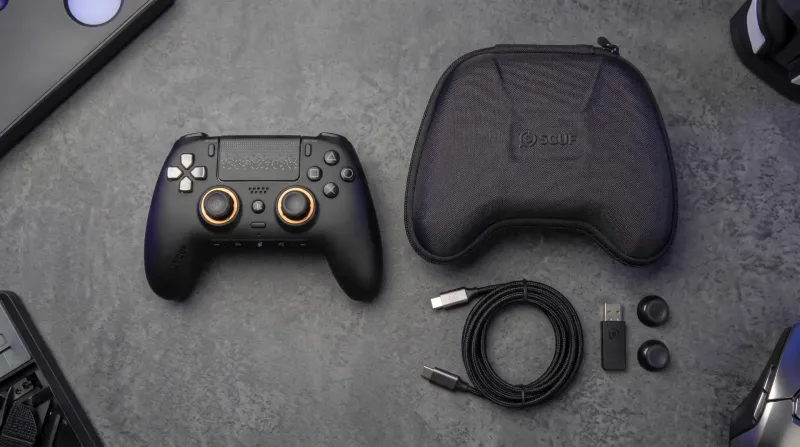
The controller enters the market at a base price of $219.99, or 209.99 British pounds, with custom aesthetic selections pushing the cost up to $229.99. Buyers receive a rough fabric hard shell carrying case, a braided USB charging cable, and a dedicated wireless USB dongle. Players can link the gamepad to a PlayStation 5 through a direct wired connection or the wireless dongle, while PC users can also utilize Bluetooth. Switching connectivity modes requires lifting the magnetically attached faceplate to access an internal toggle switch, adding friction when changing platforms.
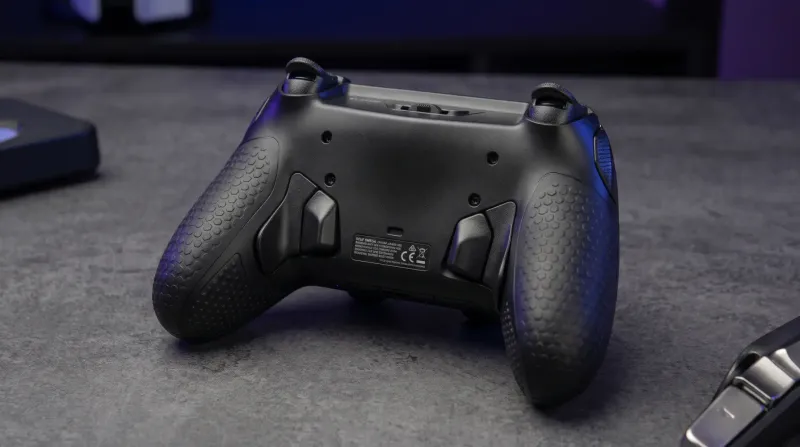
Hardware customization serves as a central selling point for the controller. SCUF offers extensive cosmetic tailoring through its online store, allowing players to personalize faceplate patterns, thumbstick caps, button accents, and touchpad designs for an additional fee. The unit features textured rubber grips across the rear handles to ensure a secure hold during intense play sessions. The chassis carries a balanced weight that avoids feeling hollow without achieving the substantial density often associated with luxury gaming gear.
Internal components emphasize competitive speed over immersive console features. The analog sticks employ tunneling magnetoresistance, commonly known as TMR technology. SCUF claims this sensor design offers superior tracking precision compared to traditional Hall Effect mechanisms while actively preventing stick drift. Physical tension in the thumbsticks remains firm, avoiding the loose travel sometimes found in competing magnetic modules. Beneath the face buttons, tactile mouse click switches replace standard membrane pads to deliver immediate actuation. Mechanical sliders on the back chassis allow users to shorten trigger travel instantly from a standard analog pull to rapid digital clicks. To meet tournament standards, SCUF omitted rumble vibration motors and adaptive trigger feedback entirely.
In fast paced first person shooters such as The Finals and Modern Warfare, the rapid switches demonstrate clear mechanical benefits. Hair trigger stops and clicky face buttons allow players to fire weapons and cycle inventory commands with exceptional speed. Analog tracking remains consistent across subtle aiming adjustments, and three onboard memory profiles enable quick swapping of custom key mappings and deadzone calibrations configured through companion software.
The control layout introduces notable ergonomic friction during live matches. Alongside four remappable rear paddles, SCUF placed an extra action button on each outer side edge of the controller. These side buttons sit directly beneath natural grip contact points, making accidental presses a frequent problem in high stress gameplay. Furthermore, the four rear paddles feel less intuitive to operate than paddle implementations found on alternative gamepads. Players with average or larger hands may find the chassis slightly cramped, requiring deliberate finger adjustment to reach paddle inputs rather than resting fingers naturally on the back casing. A row of five buttons along the bottom rim manages microphone muting and audio volume, but mastering the full array of secondary inputs requires substantial practice.
At a retail price exceeding two hundred dollars, the SCUF Omega enters a crowded segment of premium PlayStation hardware. Gamers who invest in luxury gamepads frequently expect either effortless ergonomics or advanced immersion features. By eliminating haptic feedback and adaptive triggers, SCUF strictly targets esports enthusiasts who prioritize input speed over single player sensory depth.
While competitive specialists will appreciate the drift free TMR sensors and immediate click response, the controller does not offer a seamless out of the box experience. The awkward placement of side buttons, the tedious internal connectivity switch beneath the faceplate, and finicky rear paddles force users to adapt their natural grip. With compelling alternatives such as Sony's own DualSense Edge offering swappable stick modules and refined rear levers at a comparable cost, the SCUF Omega stands as a capable tournament tool that struggles to justify its premium investment.
Source:
Hardware Review: SCUF Omega PS5 Controller - No-Frills Pro Controller Doesn't Do Much to Impress November 1, 2026


Comments
No comments yet — be the first.
Leave a comment