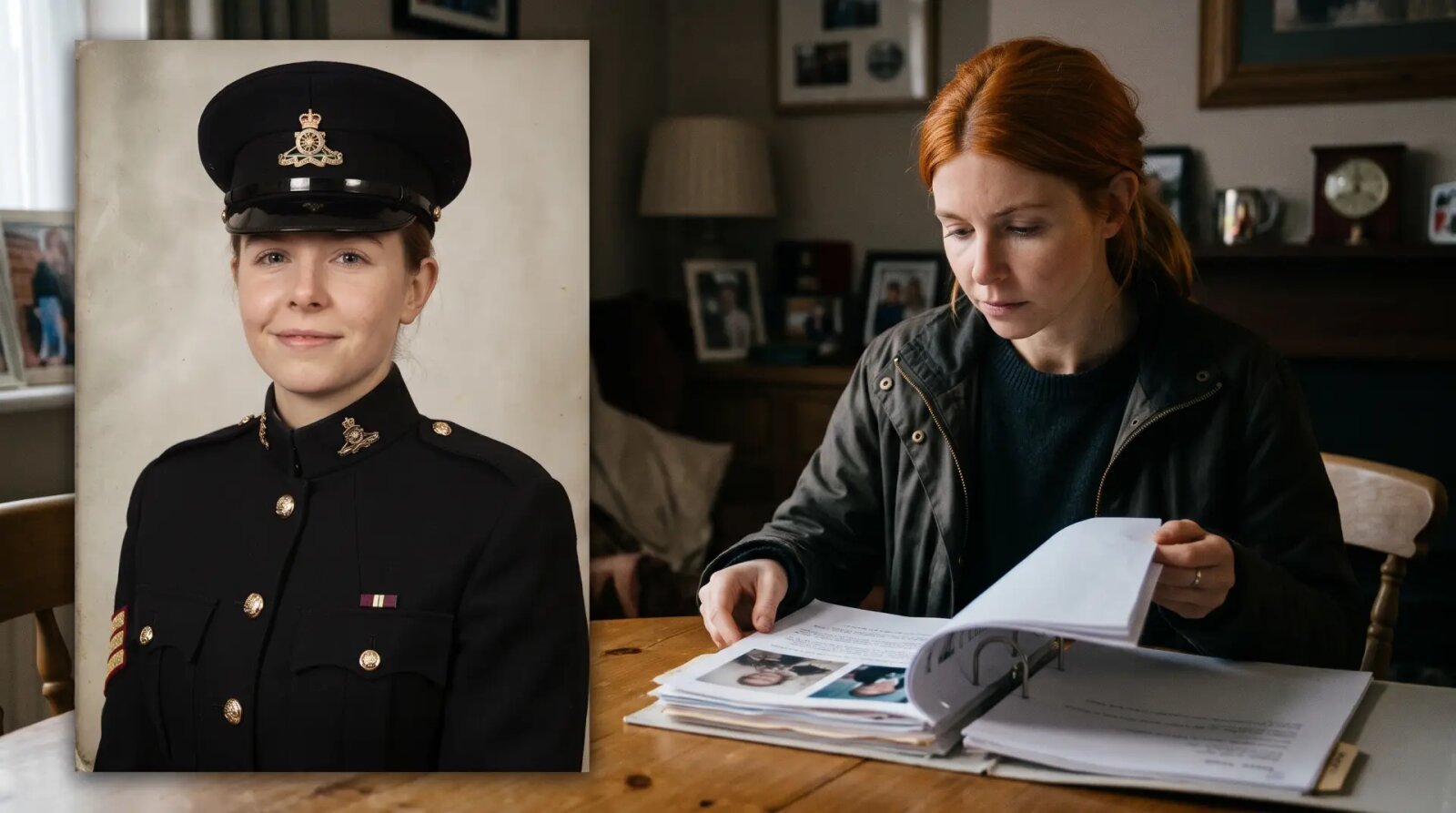
The investigative broadcast examines how superiors mishandled sexual assault complaints at Larkhill garrison, prompting the nineteen-year-old artillery recruit's family to demand an independent civilian oversight system for military personnel.
A new television investigation presented by Stacey Dooley examines the institutional breakdowns inside the British Army that preceded the suicide of teenage soldier Jaysley Beck. Broadcast on BBC Three and BBC One, the documentary "Death in the Barracks" investigates the final months of the 19-year-old Royal Artillery gunner, who was found dead at Larkhill Camp in Wiltshire on December 15, 2021. Drawing on interviews with Beck's family, peers, and military records, the program explores how superiors mishandled an initial sexual assault grievance, leaving the young recruit vulnerable to escalating harassment from a supervisor.
Beck, a native of Oxen Park in Cumbria, enlisted at 16 with ambitions of establishing a long-term military career. After completing initial training at the Army Foundation College in Harrogate, she received a posting to the Royal Artillery at Larkhill. Her military life unraveled in July 2021 during a field training exercise, when Battery Sergeant Major Michael Webber sexually assaulted her. Beck escaped the assault and spent the night sheltering in her car.
When Beck formally reported the assault to senior leadership, officers discouraged her from pursuing formal disciplinary measures. Superiors warned her against gaining a reputation as a female troublemaker and told her to weigh the impact on Webber's family and career. Instead of facing a court-martial, Webber was instructed to write Beck an apology letter. Soon after producing the letter, the military promoted him.
The handling of the grievance destroyed Beck's faith in the military complaints structure. Three months later, her direct line manager, Bombardier Ryan Mason, began subjecting her to persistent, obsessive harassment. Mason sent the teenager more than 4,600 messages over an eight-week span. He repeatedly phoned her during late-night hours and altered work rotas to ensure they were assigned together on shifts.
A week before her death, Beck attended an army recruitment event at a hotel with Mason. Distressed by his conduct during the trip, she phoned a friend in tears and fled the hotel overnight. Mason resigned from the armed forces the following day, leaving Beck with deepening distress and minimal welfare support.
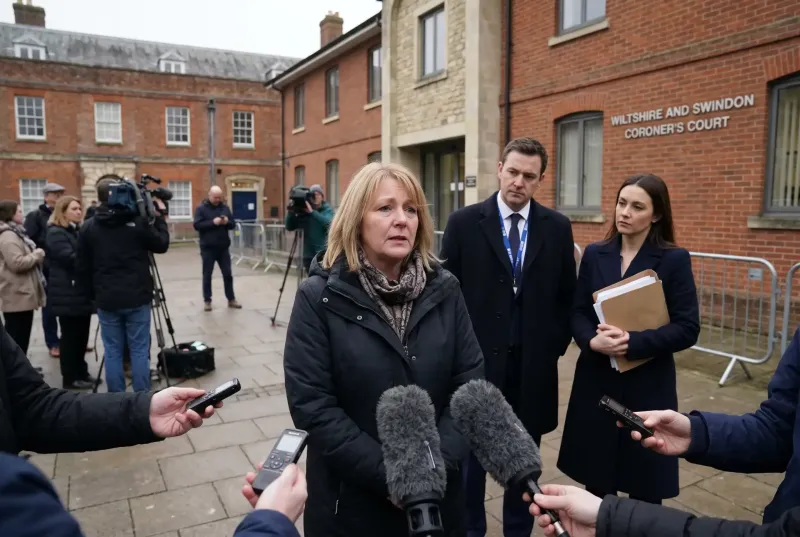
Following years of advocacy by Beck's relatives, a Wiltshire coroner's inquest concluded that Mason's behavior and the military's handling of the earlier assault contributed significantly to her death. The coroner determined that Mason subjected Beck to intolerable harassment through a daily barrage of messages and calls. The inquest also found that the mishandling of her initial grievance left Beck with a profound sense of injustice and eliminated her belief in the chain of command.
Webber later faced criminal proceedings in civilian court, where he pleaded guilty to sexual assault and received a six-month prison sentence. Beck's mother, Leighann McCready, emphasized that individual convictions do not resolve the broader cultural crisis within the military. McCready, an end-of-life care nurse for 30 years, launched an independent inquiry into her daughter's death, recovering Beck's personal smart devices, correspondence, and the written apology letter from Webber.
Partnering with the Centre for Military Justice, McCready established an advocacy initiative named Jaysley's Voice to support service personnel facing abuse and push for statutory legislative reforms.
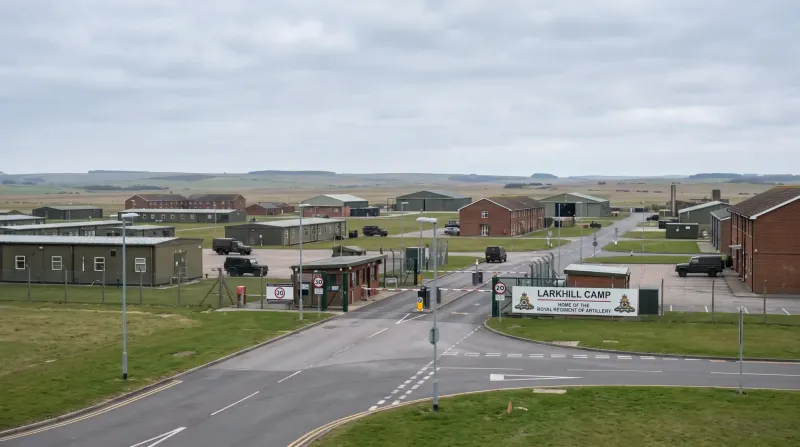
The broadcast arrives as the Ministry of Defence faces mounting scrutiny over the safety of servicewomen. While defense officials established a Violence Against Women and Girls taskforce and tri-service teams to handle serious grievances outside individual service branches, campaigners maintain that internal structures cannot deliver impartial justice.
McCready and legal advocates argue that retaining misconduct complaints within military oversight creates an inherent conflict of interest that deters victims from coming forward. Jaysley's Voice is urging Parliament to establish an independent civilian watchdog with exclusive jurisdiction to investigate sexual offenses, harassment, and bullying across the armed forces.
In a statement released alongside the documentary, Jaysley's Voice affirmed that supporting the armed forces requires the courage to challenge institutional failings. The organization underscored that while dedicated personnel serve across the military, systemic shortcomings continue to produce catastrophic outcomes for vulnerable recruits.
"Death in the Barracks" is currently streaming on BBC iPlayer. For McCready, the national broadcast marks a crucial step in ensuring her daughter's legacy leads to structural changes safeguarding future female soldiers.
Source:
BBC Stacey Dooley documentary on Jaysley Beck airs October 29, 2026
Anna Moore October 27, 2026
Stacey Dooley: Death in the Barracks October 2026



Comments
No comments yet — be the first.
Leave a comment